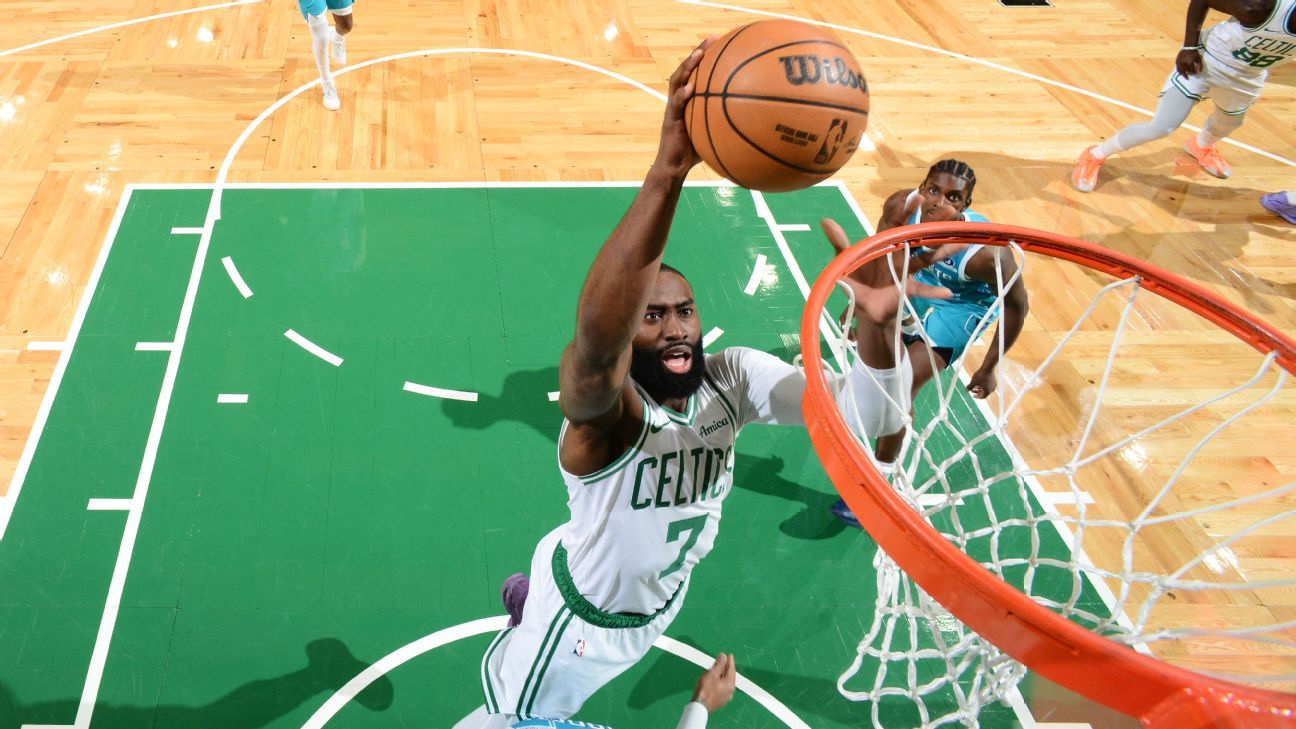
In recent years, a significant trend has emerged across the NBA: teams are prioritizing faster-paced gameplay. This shift aims to increase excitement and scoring, but experts are questioning whether it might be detrimental to overall team performance.
Many teams believe that playing at a quicker tempo can create more scoring opportunities and energize their players and fans. However, data suggests that an overly fast pace may lead to increased turnovers, lower shooting efficiency, and defensive lapses, ultimately hurting a team's chances of winning.
ESPN analyst Zach Kram explores this phenomenon, highlighting how both the league's best and struggling teams are adopting faster styles of play. While some successful teams have managed to balance speed with efficiency, others have seen their performance decline as a result of rushing their offense.
One key issue is that a rapid pace often results in hurried shots and less strategic decision-making. This can lead to lower shooting percentages and more mistakes, which opponents can capitalize on. Conversely, teams that maintain a controlled tempo often find more consistent success, emphasizing quality over quantity in their possessions.
The implications extend into the playoffs, where efficiency and strategic execution become even more critical. Teams that rely solely on speed without proper execution may find themselves at a disadvantage against more disciplined opponents.
In conclusion, while the desire to play faster is driven by the entertainment value and modern basketball trends, it is essential for teams to strike a balance. Speed should enhance, not compromise, their overall effectiveness. Coaches and players must consider whether the pursuit of a faster pace aligns with their strengths and strategic goals, especially in high-stakes situations.
As the league continues to evolve, understanding the nuanced impacts of pace on performance will be crucial for teams aiming for sustained success in the NBA.